
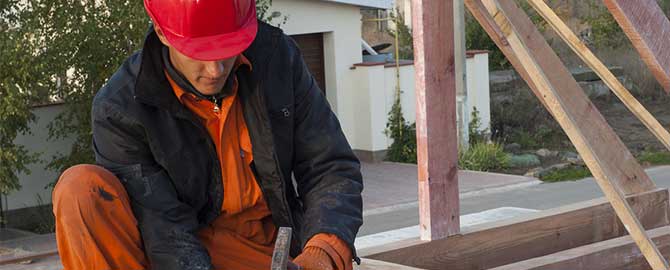
Hiring the Hands Before Buying the Shingles
Families comparing Wood Roofer Services in Bryan Texas start the search from a ladder photo or a leak under a skylight; the people on the roof decide how well the materials perform. Each roof in the Brazos Valley is a mix of old decking, newer patches and flashing from three different owners; the details at edges, valleys and pipes decide whether water gets in.
Conditions on a Local Rooftop
Post oaks and pecans drop limbs, leaves and acorns onto roofs, and valleys full of debris hold water; regional knowledge is worth asking about by name. Ask how the crew handles a roof after a recent hailstorm and how the damage is recorded; a thoughtful pause is better than a rehearsed reply.
The First Visit: What to Ask and Listen For
Ask who will actually be on the roof, whether employees of the company or crews hired by the day; every roof has surprises, so the person who decides matters. A solid proposal lists the underlayment, the flashing, the vents and the shingle line by name; vague scopes are where disagreements start. Ask what time the crew starts, which days the crew works and how the neighbors are warned; courtesy toward the neighbors takes no effort.
Turning Proposals Into a Fair Comparison
A proposal that skips flashing, ventilation or decking is leaving a decision for later; a thorough proposal reads like a plan, not a pitch. Look for how the proposal handles a roof with more than one layer already on it; paperwork exposes the crews who have thought the work through.
Reading the Room as Well as the Paper
A careful crew lead walks the property, looks at the attic and the gutters, and takes photographs before saying much; photographs make the discussion concrete. Point out the stain, the drip or the draft in person rather than describing it by text; a ladder photo says more than a paragraph of description.
Rentals, Student Housing and Out-of-Town Owners
An owner who lives out of town depends on photographs, written scopes and one reliable contact; good communication replaces presence. Agree in advance on who unlocks gates, who moves vehicles and who is told when the work starts; remote ownership works best with a single point of contact.
Before the Crew Arrives
Keep pets indoors and children away from the yard where debris will fall; a short note to the street keeps the peace.
The Day the Crew Arrives
Tear-off goes quickly, and the roof deck is exposed to whatever weather arrives, so crews watch the sky constantly; the deck carries every layer above. Flashing at walls, chimneys and valleys is installed by hand and is worth a close look from the ground; final checks take time and the time is well spent.
Seasons, Backlogs and the Roofing Schedule
A crew with a long waiting list is often a sign of demand, and a short list is worth a question; scheduling is a conversation, not a commitment made in one phone call. Photograph the damage and keep a short log so the crew arrives with a clear picture; a short log saves a long conversation.
Homeowner Associations and City Offices
Ask the crew who handles the paperwork, and who is present when an inspector visits; a short courtesy note to the street goes a long way. Request color samples and product names in writing before the association sees them; a note shared early prevents damage later.
Updates, Change Orders and Surprises
A job foreman who answers questions on site is worth more than a polished brochure; communication is part of the work, not a courtesy. Confirm that the person who made the proposal will be reachable during the work; after-hours contact is a measure of seriousness.
Green Lights and Red Flags in Roofing
A crew that has no answer about who supervises the job, who returns calls and who cleans up deserves another look; a gap in the paperwork is information in itself. Ask any visitor where the company is based, how long the crew will stay in the area and who handles a leak next season; a short wait takes little and reveals a lot.
Roof Projects on Buildings With People Inside
Roof access, ladders, lifts and parking all need agreement before work begins; safety planning is part of the proposal. Request a daily update on which sections are open and which are dry; daily detail keeps a large job controlled.
Caring for the People Doing the Work
A calm jobsite with clear roles and no shouting reflects steady leadership; a rested hand drives straight nails.
Keeping the Roof in Good Shape Once the Crew Leaves
Schedule a periodic inspection, especially after hail season, to catch small problems early; a file of records is worth more than a drawer of brochures.
The Roof Itself Is Part of the Interview
The best visitors explain what they see in plain words and point to the evidence on the roof; good questions come from careful observation. Ask the crew to point out the problems on the roof itself instead of describing them from the driveway; photographs let a second crew compare findings.
Why Documentation Is Part of the Hire
Save product names, colors and any manufacturer instructions provided at the end of the job; organized records speed every later decision. Note the paint colors, gutter style and fence lines that the crew must work around; small property notes prevent lasting misunderstandings.
Choosing the Crew That Fits
Trust the pattern of behavior across visits, calls and paperwork, not a single charming moment; a calm decision beats a hurried one. Give a crew that offers a clear schedule and a clear contact extra weight in the final decision; a final review takes ten minutes and prevents weeks of confusion.
Learning From the Roofs Already on the Street
Talk with neighbors about their experience, including how the crew communicated and how the yard looked afterward; finished work speaks for itself from the curb. Compare what the crew says about local weather with what the neighbors have actually seen; a visible roof is an easy check. Make sure the scope on the signed paper matches what was discussed at the visit; a full folder answers many questions at once.
Wrapping Up: Inspection and Records
Walk the property with the crew lead and ask to see the roof edges, vents and flashing from the ground; a clear closeout leaves everyone on good terms. Talk with the team at College Station Roofing about a roof project and bring the questions from the pages above along.